
Understanding Clomid: a Male Perspective
When men typically think about fertility treatments, they often imagine interventions focusing on women. However, Clomid, a drug more commonly associated with female fertility, offers intriguing possibilities for men. Originally designed to stimulate ovulation in women, Clomid's potential lies in its ability to boost testosterone levels in men. This can lead to improved sperm production and enhanced overall fertility. It's a paradigm shift, considering that male infertility accounts for nearly half of all infertility cases. Understanding this option can pave the way for new fertility solutions.
| Clomid for Men | Benefits | Considerations |
|---|---|---|
| Boosts testosterone | Improves sperm count | Consult a doctor |
| Increases LH and FSH | Enhances fertility | Possible side effects |
The Science Behind Clomid in Men
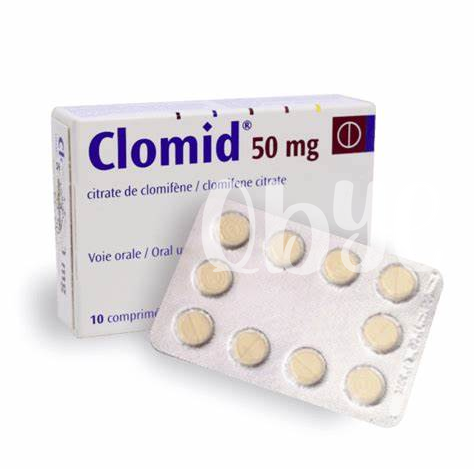
Clomid, or clomiphene citrate, primarily interacts with the hormonal axis to boost male fertility. Under its influence, the hypothalamus and pituitary gland receive a kind of wake-up call to elevate the production of hormones such as luteinizing hormone (LH) and follicle-stimulating hormone (FSH). This enhanced hormonal activity nudges the testes into producing more testosterone and occasionally sperm, potentially rectifying low sperm count and motility issues.
This mechanism hinges on Clomid's role as a selective estrogen receptor modulator (SERM). It cleverly binds to estrogen receptors, reducing estrogen's negative feedback on the hypothalamus. By doing so, the increased hormonal signal cascades through the body, strengthening testosterone and sperm production. This hormonal balancing act can be a significant aid for men facing fertility challenges linked to hormonal imbalances.
Benefits of Clomid for Male Fertility
Clomid, typically known for its use in women, also plays a valuable role in enhancing male fertility. By stimulating the pituitary gland, Clomid encourages the body to produce more luteinizing hormone (LH) and follicle-stimulating hormone (FSH), essential for boosting testosterone levels. This hormonal adjustment can lead to an increase in sperm count, enhancing the likelihood of conception. Many men struggling with low sperm production find hope and potential success through Clomid's intervention. It serves as a non-invasive alternative, making it an attractive option for those hesitant about surgical procedures. For couples eager to start a family, Clomid can be a beacon of possibility.
Potential Risks and Side Effects for Men
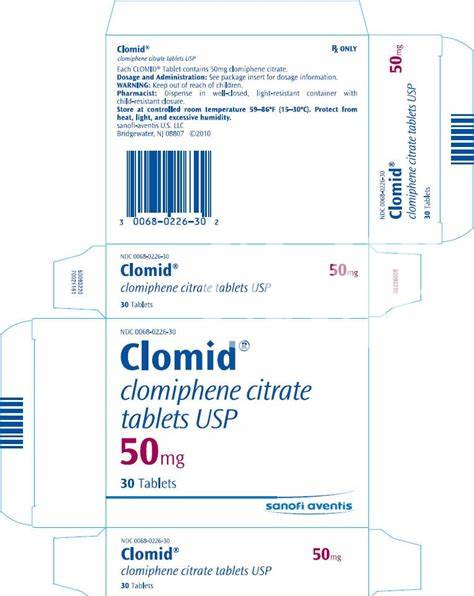
While Clomid can be an effective treatment for male fertility issues, it’s important to be aware of the potential risks. Some men may experience symptoms like mood swings and irritability due to hormonal changes. Clomid can also lead to visual disturbances, making regular eye checks advisable. Another concern is the possible increase in the production of sperm that has DNA damage, which may not be immediately noticeable but can affect fertility over time.
Additionally, prolonged use of Clomid has been linked to an increased risk of developing blood clots. Consulting with a healthcare provider can help navigate these concerns and determine if Clomid is a suitable option for your fertility journey.
Success Stories: Real Men Using Clomid
Michael, a 32-year-old from Chicago, had struggled with infertility for years. After being diagnosed with a low sperm count, his doctor recommended Clomid as a potential solution. Reluctant at first due to its reputation primarily as a female fertility drug, Michael decided to give it a try. Within months, his sperm count significantly improved, and he and his wife eventually welcomed their first child, marking a joyous chapter in their lives.
Similarly, David, who had faced prolonged issues of hormonal imbalance affecting his fertility, began Clomid treatment after thorough consultation. His consistent monitoring and dosage adjustments led to noticeable results not only in sperm quality but also in vitality levels. These experiences show that Clomid can offer hope, transforming dreams of fatherhood into reality for many men.
| Name | Background | Outcome |
|---|---|---|
| Michael | Low sperm count | Improved fertility; became a father |
| David | Hormonal imbalance | Better sperm quality and energy levels |
Key Considerations before Starting Clomid
Before beginning Clomid, it’s crucial to have a thorough evaluation by a healthcare professional to ensure it’s the right choice for you. Understanding your hormonal profile and ruling out underlying issues is fundamental. Engage in a detailed conversation with your doctor to discuss potential interactions with other medications and confirm you have realistic expectations about treatment outcomes.
Additionally, consider lifestyle factors such as diet, exercise, and stress management. These can significantly impact fertility and may enhance the effectiveness of Clomid. Be prepared for regular monitoring to adjust dosages and track progress, as individual responses to the drug can vary.


